
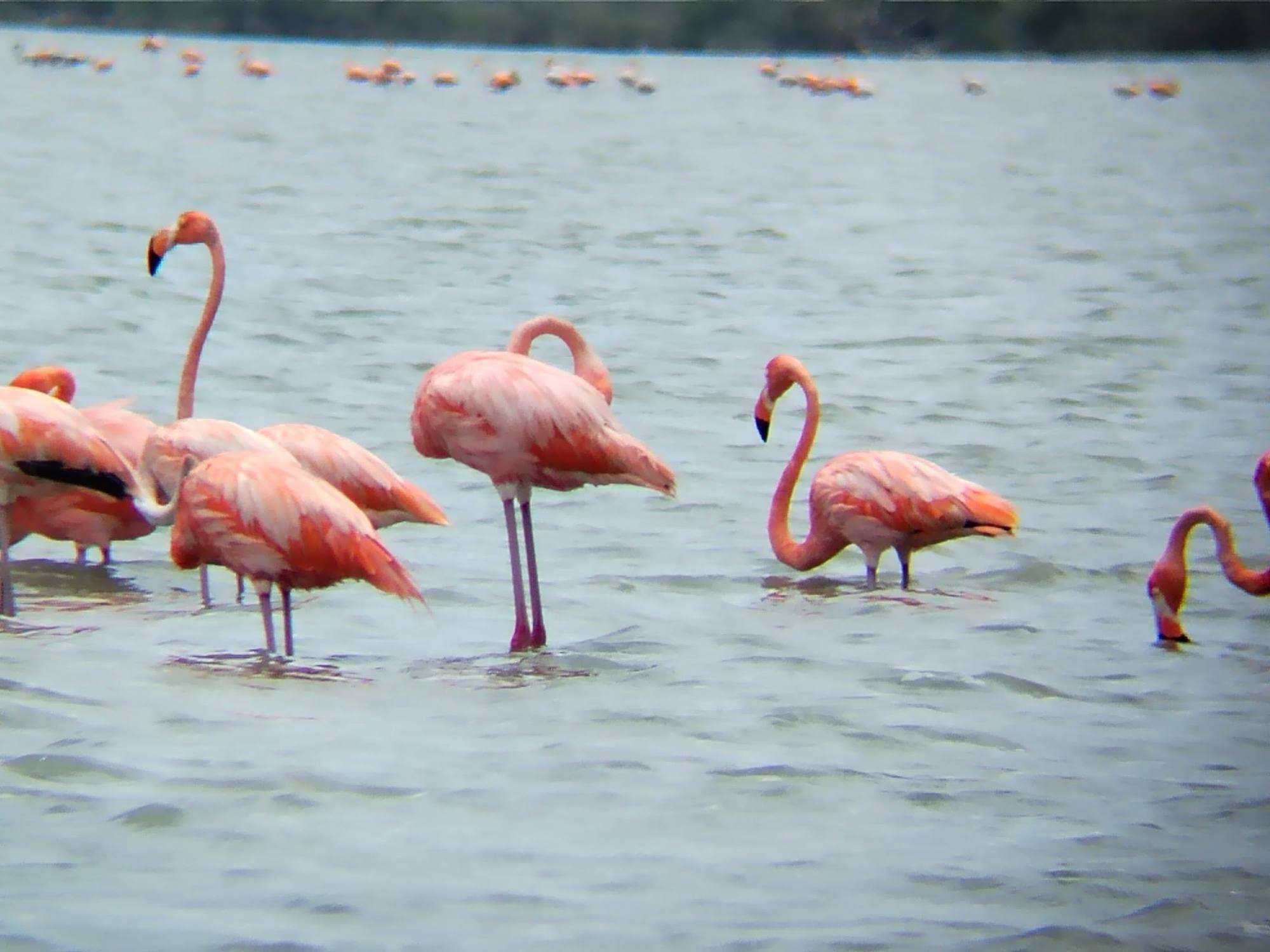
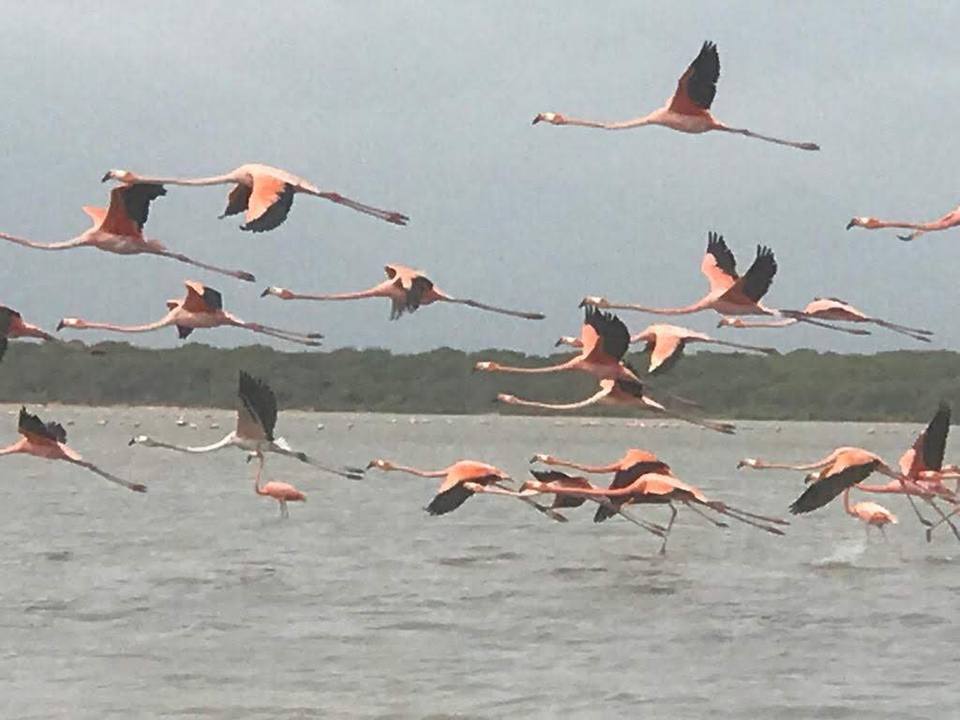
American flamingo
Phoenicopterus ruber
The icon of Camarones. Its pink colour comes from the tiny crustaceans and algae it filters from the lagoon.
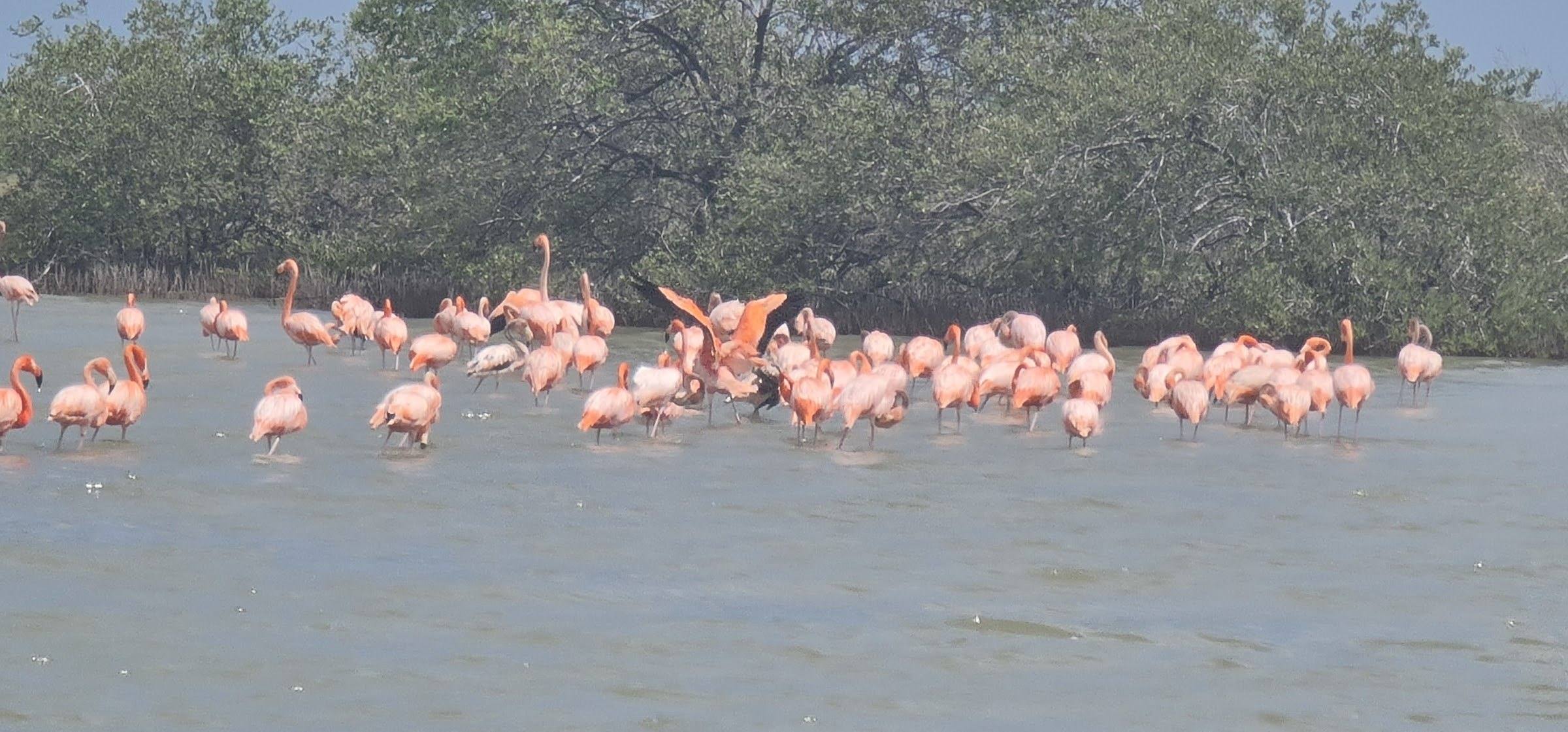
Birding line · Flamencamarones
Where the Caribbean, the lagoons and the tropical dry forest meet. Discover the American flamingo in its home and the birds of one of the most unique landscapes of Colombia and South America.
SFF Los Flamencos
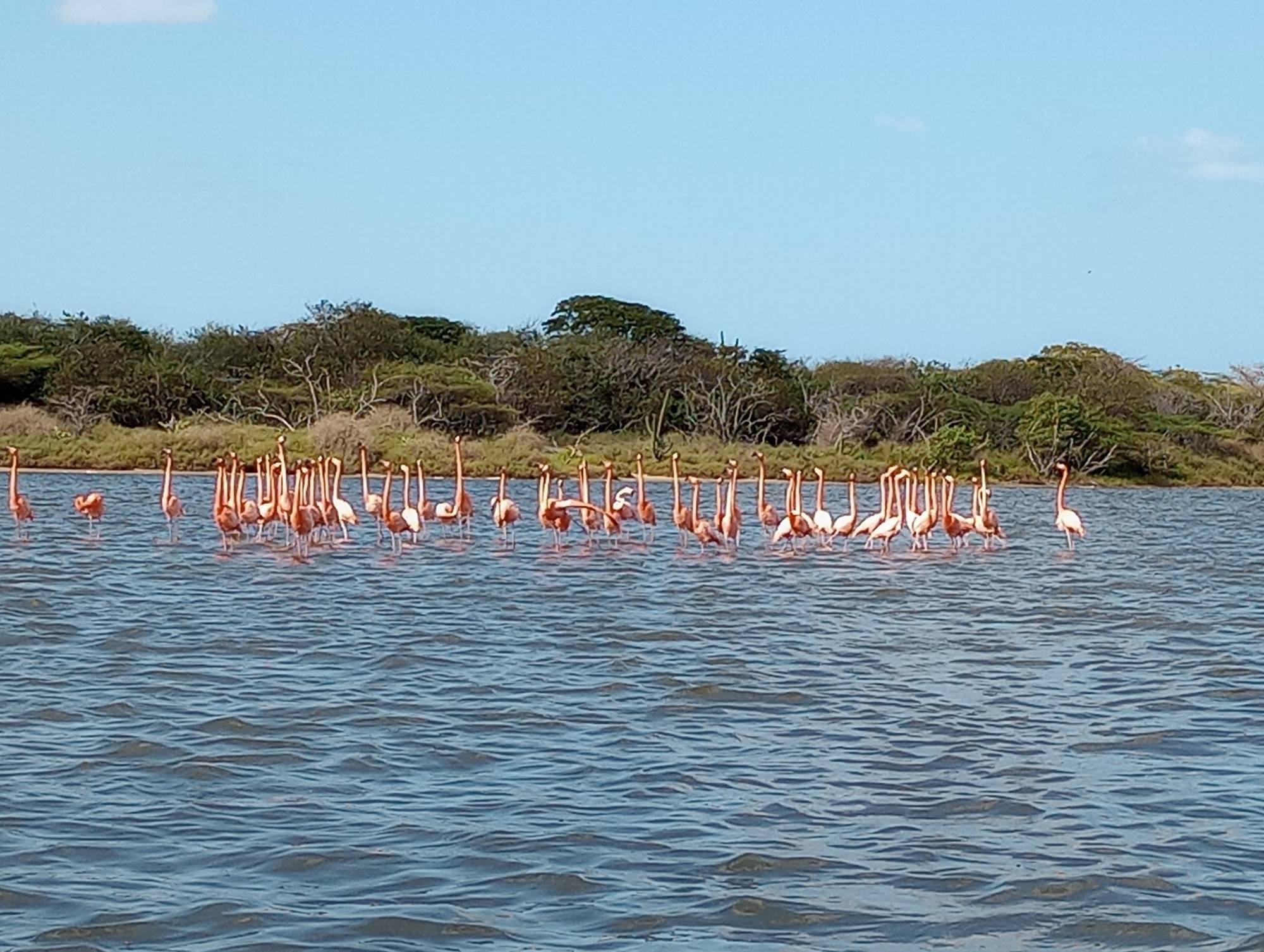
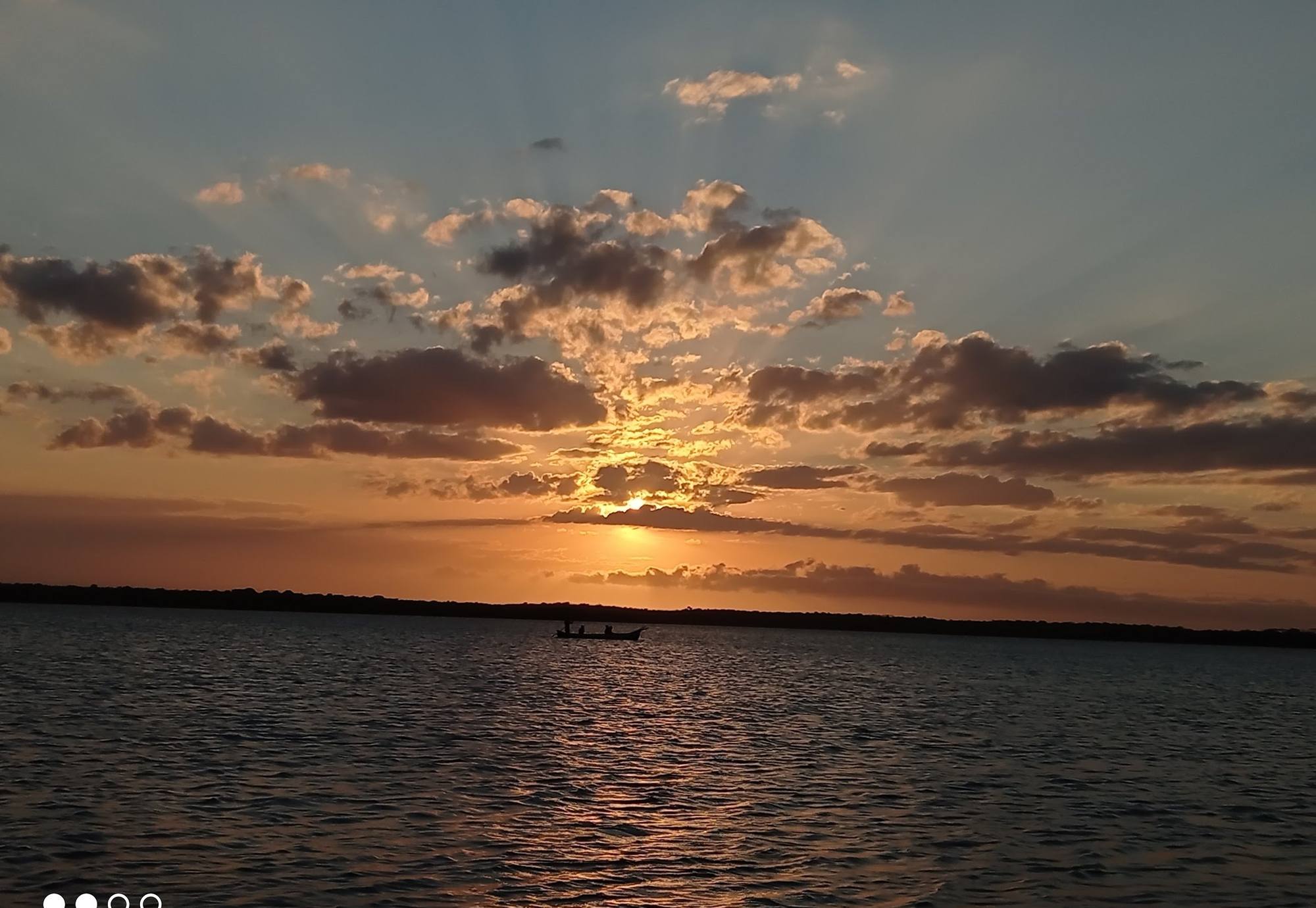
Protected since 1977 and managed by Parques Nacionales Naturales de Colombia, the sanctuary safeguards around 7,600 hectares of coastal lagoons, mangroves, beaches and tropical dry forest between Camarones and the Caribbean Sea. Its shallow, brackish lagoons — such as Navío Quebrado — are a feeding ground for the American flamingo and many aquatic and shorebird species.
Ecosystem
Beyond the lagoons grows the tropical dry forest: cacti, trupillo (mesquite), dividivi and trees that drop their leaves to survive the long dry season. Less than 10% of this ecosystem remains in Colombia, which makes every walk through it a privilege — and a great place for birding, hiking and early-morning trail runs.
Species
A first selection. Sightings depend on season, tides and luck — that is the magic of birding.
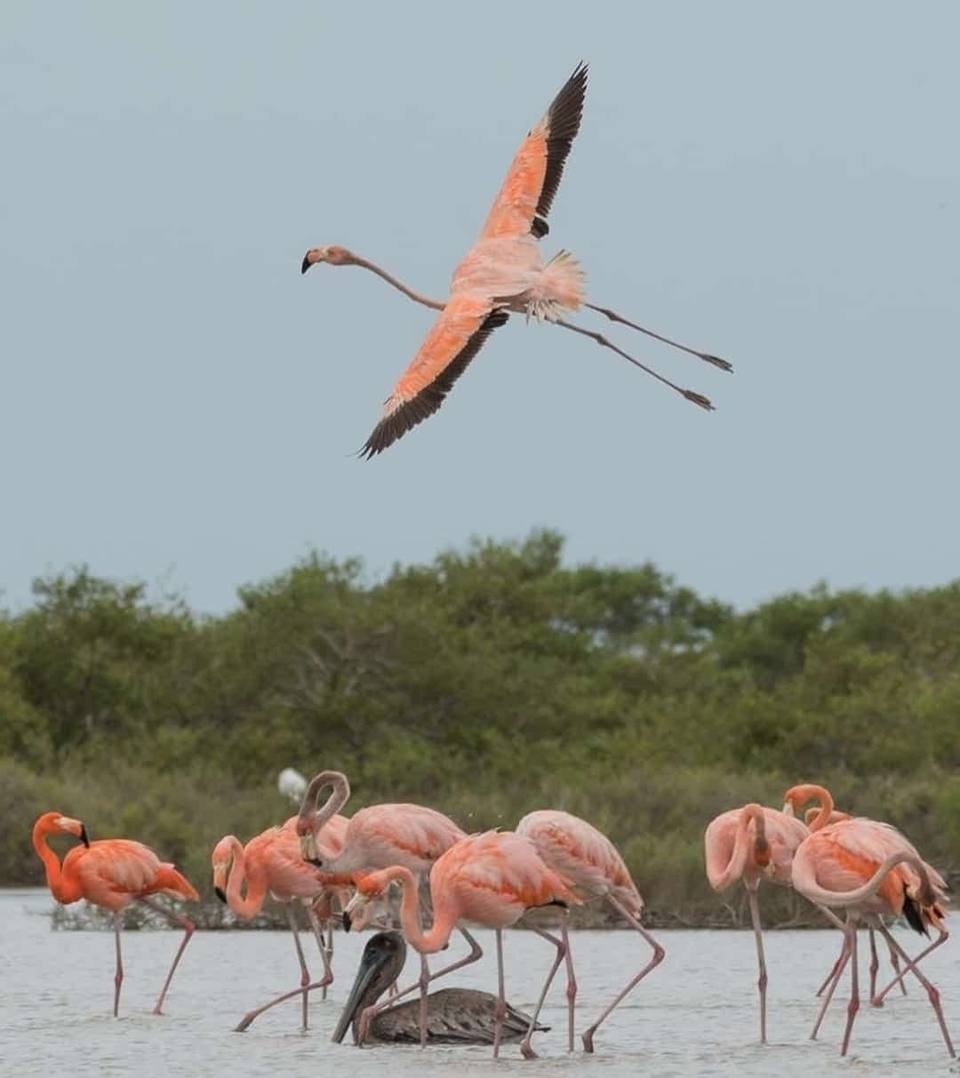
Phoenicopterus ruber
The icon of Camarones. Its pink colour comes from the tiny crustaceans and algae it filters from the lagoon.
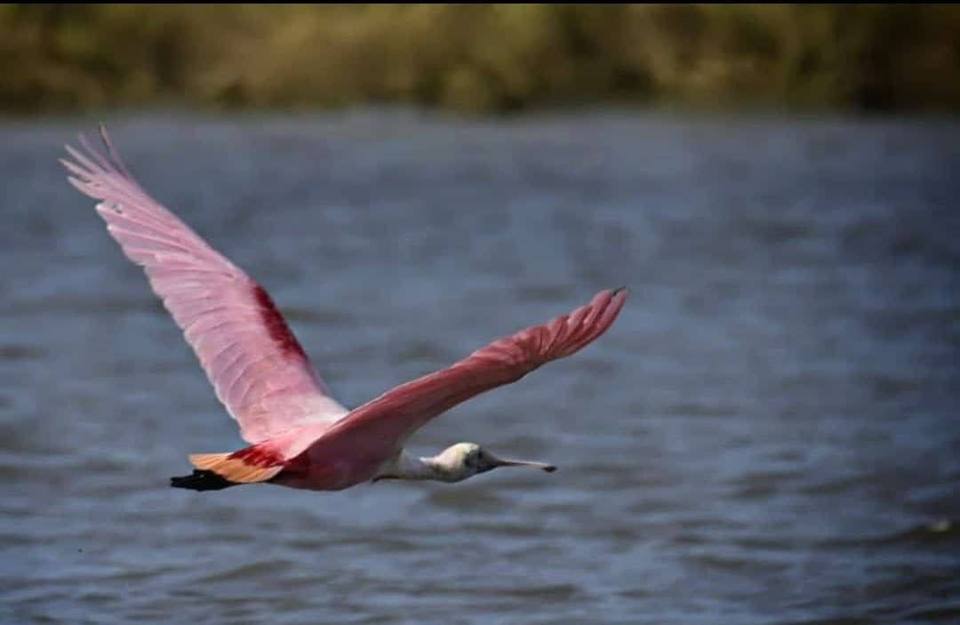
Platalea ajaja
Sweeps its flat, spoon-shaped bill through the water to catch fish and shrimp.
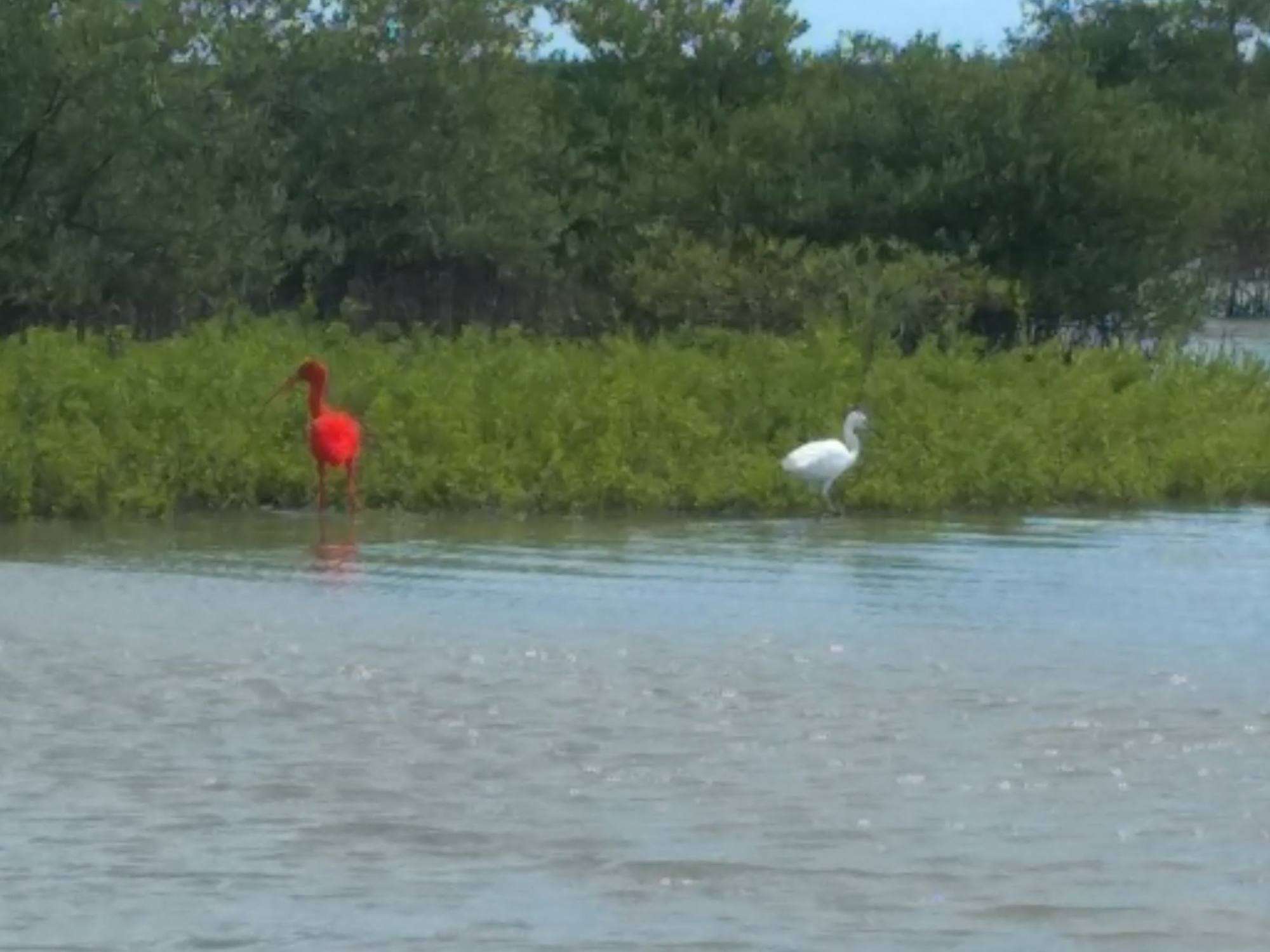
Eudocimus ruber
Known locally as corocora roja — a flash of red against the green mangroves.
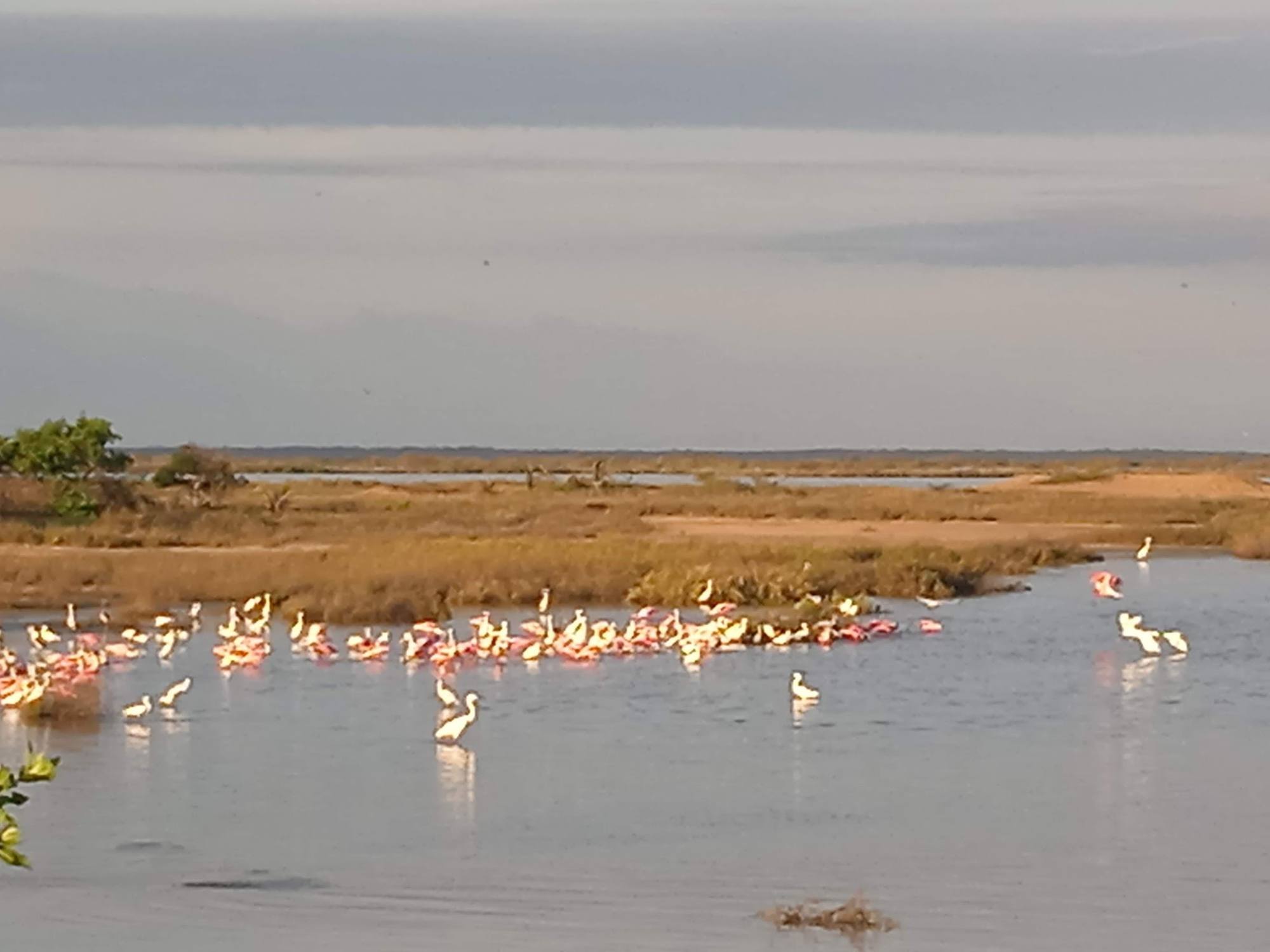
Ardeidae
Great egrets, snowy egrets and other waders patrol the shallow edges of the lagoons.
Coastal and dry-forest species of the Guajira region we will be looking for as the line develops (presence to be confirmed outing by outing).
Short guided walks through the tropical dry forest when birds are most active.
Quiet canoe trips with the best light, keeping a respectful distance from the flocks.
Strengthening a team of local birding guides from Camarones.
Recording our sightings on eBird to contribute to the knowledge of the region.
Tell us what you would like to see and when you plan to travel. We will contact you as soon as the first dedicated outings are ready.
How can we help?